
The Peacemaker Standard FAQ: Testing, Sourcing & Roasting

Updated: Aug 30
Quick answer: The Peacemaker Standard brings together coffee selection, roast development, packing in Toledo, Ohio, low-acid positioning, and transparent publication of sample-specific laboratory information.
The laboratory statements on this page are limited to the samples, lots, analytes, and dates identified in the published reports. They are not blanket statements about every product or future production lot.
What Makes Peacemaker Coffee "Clean"?
The phrase "clean coffee" is an informal marketing term, not a universal certification or regulated quality standard. Peacemaker uses it to describe a broader approach to sourcing, storage, roasting, sanitation, packaging, and transparency.
That phrase should not be read as evidence that coffee is risk-free, free from every possible contaminant, or suitable for every person's health needs. Specific laboratory statements should always identify what was tested and which sample or lot the result covers.
What Do the Current Laboratory Reports Show?
Peacemaker currently publishes January 2026 laboratory reports for selected Light, Medium, Decaf Medium, and Dark roast samples. The reports list mold and yeast below 10 CFU/g for the identified samples and lots.
The results are sample- and lot-specific and apply only to the analytes listed in each report.
The current published reports do not include mycotoxins, ochratoxin A (OTA), aflatoxins, pesticides, or heavy metals.
Mold and yeast testing is not the same as mycotoxin testing, and one result should not be used to infer another.
Read the source documents on the Coffee Testing Standards page.
Sourcing and Quality Controls
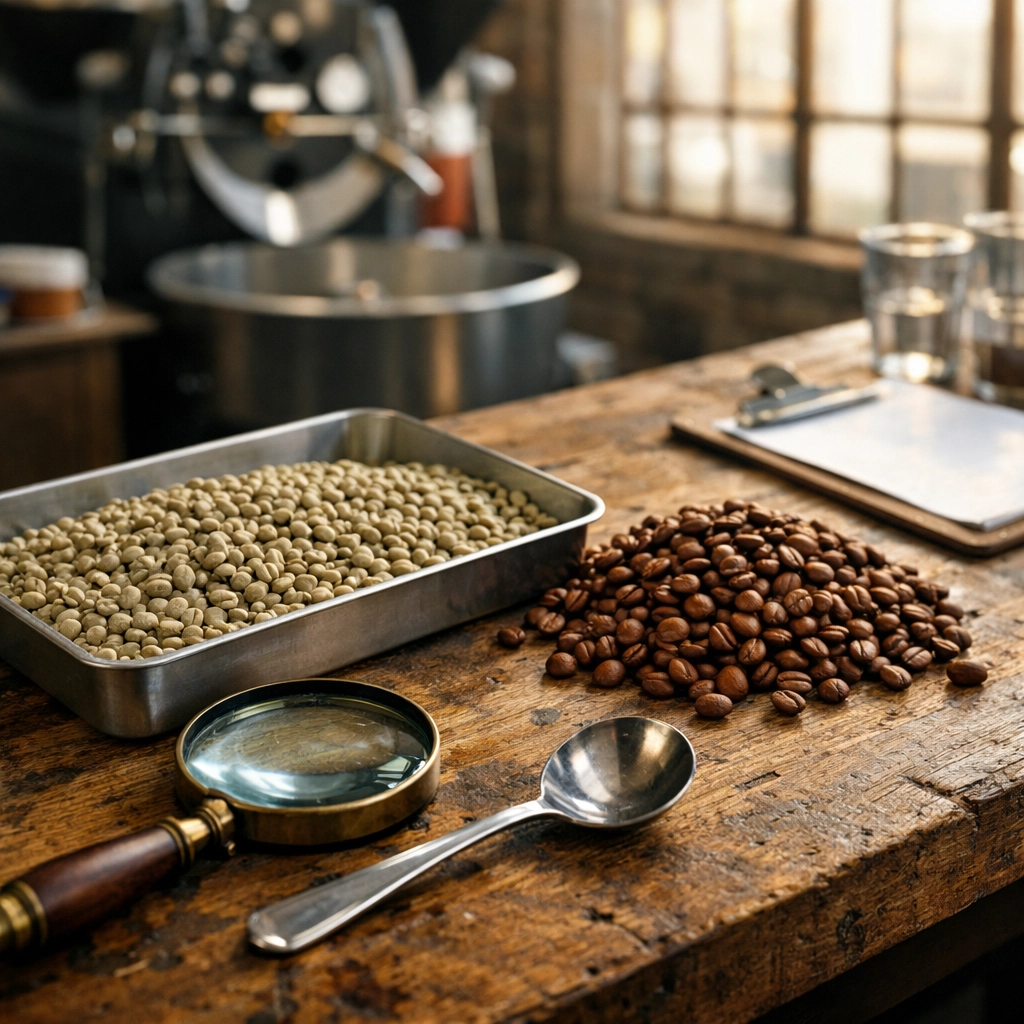
Peacemaker's quality approach includes coffee selection, attention to storage and handling, roast development, sanitation, packaging, and publication of available testing information.
Coffee quality and flavor depend on origin, processing, storage, roasting, and preparation. This page does not rely on an unverified score, percentile, or claim that one company or category is automatically superior to another.
Is Peacemaker Coffee Low-Acid?
Peacemaker uses low-acid positioning to describe roast profiles intended to taste smoother and less sharp. The phrase is a sensory and product-positioning description; it does not establish one chemical acid level or pH value for every bean, roast, or brewing method.
Coffee tolerance varies from person to person and can be influenced by caffeine, serving size, roast level, brewing method, timing, and individual factors. Peacemaker does not present its coffee as a treatment or as proof of digestive or medical benefits.
Which Roast Is Right for Me?
Choose a roast by the flavor profile you enjoy and the way you brew. Caffeine and extraction vary with the coffee, dose, grind, water, and brewing method; roast name alone does not determine the result in every cup.
1. The 'Rookie' (Light Roast)
The Rookie is the lightest of these three roast profiles and is designed to highlight brighter, more delicate flavor notes.
2. '2nd Amendment' (Medium Roast)
The 2nd Amendment is a balanced medium roast with nutty and chocolate-forward notes for an approachable everyday cup.
3. 'Veteran' (Dark Roast)
The Veteran is a darker roast with deeper caramelized and smoky flavor notes for customers who prefer a bolder roast profile.
How Does Peacemaker Support the Community?
Peacemaker's brand recognizes veterans, first responders, teachers, medical personnel, and others who serve their communities. Programs and participation can change over time, so contact Peacemaker for current details about a specific initiative or request.
Do You Offer Business Services Like Private Labeling?
Yes. Peacemaker offers co-packaging and wholesale programs for eligible businesses and organizations. Contact the company for current services, quantities, packaging choices, and availability.
Published retail sample reports do not automatically apply to every wholesale, co-packed, private-label, or future product. Any testing statement for those products should be supported by the report for the specific sample or lot.
Brewing for Success: Tips for the Best Experience
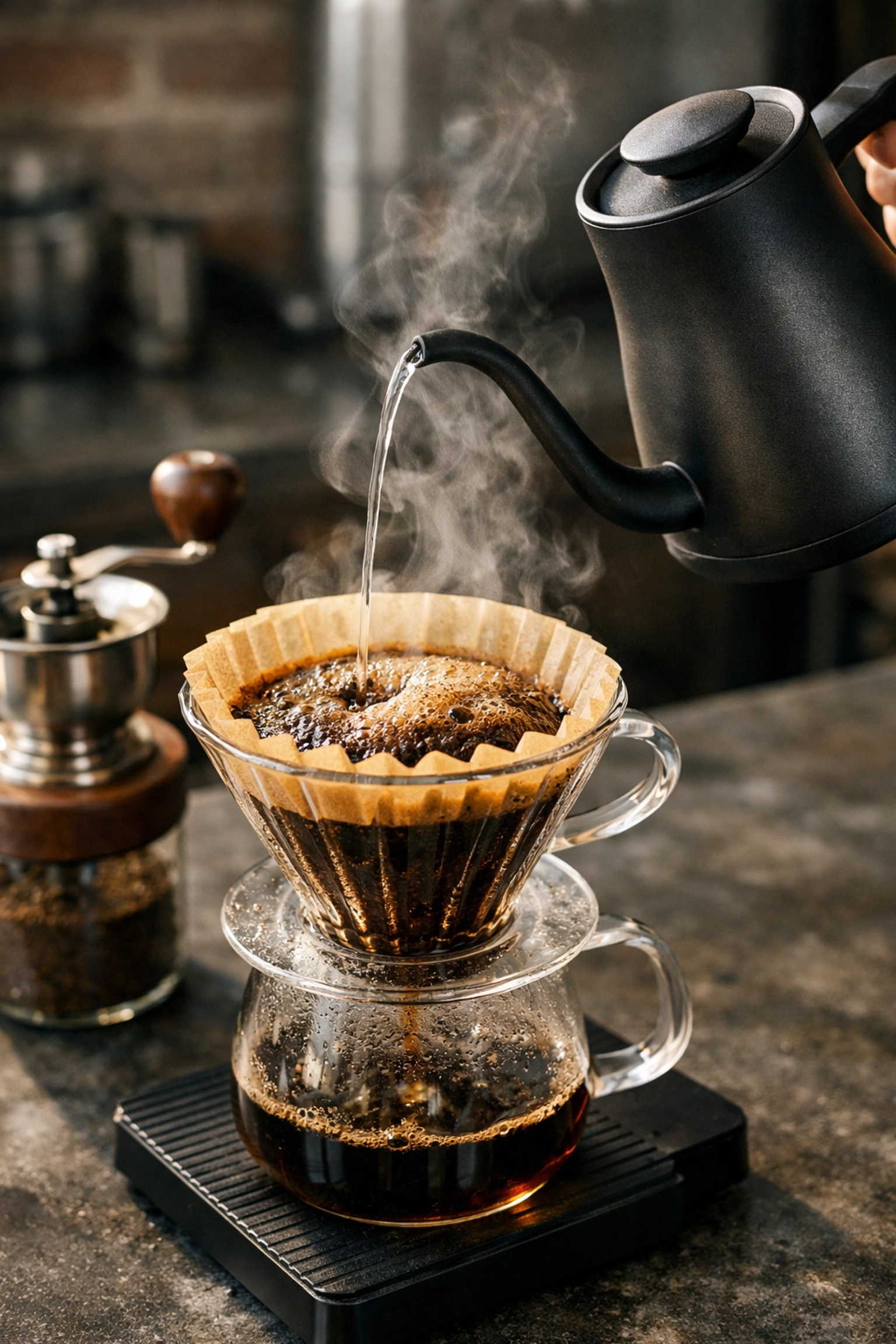
Use these points as a starting place, then adjust to your equipment and taste:
Start with fresh water and a consistent coffee-to-water ratio.
Match the grind to the brewing method: coarser for French press, medium for many drip brewers, and finer for espresso.
A water-temperature range of about 195°F to 205°F is a common starting point; adjust grind, dose, time, and temperature to taste.
Summary FAQ Table
Topic | What the current information supports | Important limit |
Published laboratory reports | January 2026 reports for selected Light, Medium, Decaf Medium, and Dark roast samples list mold and yeast below 10 CFU/g. | Results apply to the identified samples, lots, analytes, and report dates. |
Testing scope | The current published reports cover mold and yeast. | They do not include mycotoxins, ochratoxin A (OTA), aflatoxins, pesticides, or heavy metals. |
Low-acid positioning | Peacemaker uses this phrase to describe a smoother, less sharp sensory profile. | It does not establish one pH value or a medical outcome for every person. |
Roast selection | Light, medium, and dark roasts offer different flavor profiles. | Taste and brewing results vary with dose, grind, water, method, and preference. |
Join the Peacemaker Movement
Peacemaker invites customers to compare roast profiles, review the published reports, and choose coffee based on flavor preferences and the information available for the specific product.
Browse the retail coffee collection or review Coffee Testing Standards.
The three retail roast selections below are shown for convenient browsing; their descriptions and current purchase details appear on their individual product pages.
Stand tall, stay fueled, and be a peacemaker.
Peacemaker Topic Hub
This article describes current published information and general product positioning. It is not medical advice, and individual experiences can vary.
Next step: Read our coffee buying guide for beans, grounds, flavors and pods for direct answers about beans, ground coffee, flavors, pods, U.S. shipping and the limits of sample-specific testing.
Comments