
Coffee and Weight Loss: Benefits, Limits & Caffeine Facts

Updated: Aug 30
Can coffee help you lose weight?
Coffee is not a weight-loss treatment or fat burner. Unsweetened coffee is low in calories, while sugar and rich creamers can add calories. Caffeine effects are modest and tolerance varies.
Coffee Is Not a Weight-Loss Treatment
No roast, brand, spice, or brewing method can guarantee fat loss. Body weight changes over time are influenced by total energy intake, activity, sleep, health conditions, medications, and many individual factors.
What Caffeine May Do
Caffeine is a stimulant and may have small, short-term effects on alertness, energy expenditure, or appetite. The NIH Office of Dietary Supplements notes that caffeine-containing weight-loss products may produce only a small effect and that regular use can reduce the effect through tolerance. See the NIH weight-loss supplement fact sheet.
Coffee Add-Ins Matter More Than Marketing Claims
Plain black coffee: contains very few calories before anything is added.
Sugar and syrups: can substantially increase calories as servings and pumps add up.
Cream and flavored creamers: vary widely, so check the serving size and nutrition label.
Large specialty drinks: may function more like a dessert than a plain cup of coffee.
What Is the Best Coffee for Weight Loss?
There is no special weight-loss roast. If coffee fits your eating plan, choose a coffee you enjoy with an amount of sugar, syrup, milk, or creamer that matches your goals. A product labeled skinny, metabolism, detox, or fat-burning is not automatically effective.
Caffeine Safety and Individual Limits
The FDA cites 400 milligrams of caffeine per day for most adults as an amount not generally associated with negative effects, while emphasizing that sensitivity varies. Pregnancy, certain medications, heart conditions, anxiety, and sleep problems may call for different limits. See the FDA caffeine guidance.
Too much caffeine can cause nervousness, jitteriness, sleep disruption, nausea, or a rapid heartbeat. Do not increase coffee intake solely to pursue weight loss.
A Practical Way to Think About Coffee
Treat coffee as a beverage, not a fat burner.
Compare the complete drink, including add-ins and portion size.
Avoid replacing meals with coffee unless a qualified clinician has recommended a specific plan.
Choose decaf or a smaller serving when caffeine interferes with sleep or causes symptoms.
Discuss weight-management goals with a qualified healthcare professional when medical conditions or medications are involved.
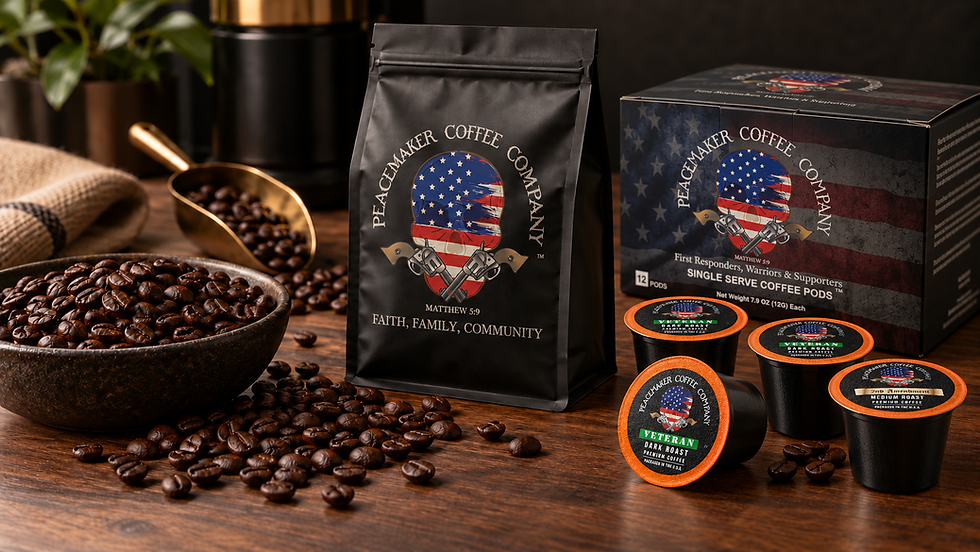
Peacemaker sells coffee based on roast, flavor, sourcing, and published sample-specific testing—not a promised weight-loss outcome. Browse Peacemaker coffee.
Frequently Asked Questions
Does black coffee burn fat?
Black coffee is not a proven fat-burning treatment. Caffeine may have small short-term effects, but regular use can reduce those effects through tolerance.
What coffee is best for weight loss?
No specific roast or brand guarantees weight loss. Choose a drink that fits your overall eating plan and pay attention to sugar, syrups, creamers, and portion size.
Can coffee reduce appetite?
Some people notice a temporary appetite change after caffeine, while others do not. Coffee should not be used as a meal replacement or guaranteed appetite suppressant.
How much coffee should you drink for weight loss?
There is no established coffee dose for weight loss. Do not increase caffeine intake solely for that purpose.
Does cinnamon coffee help with weight loss?
Cinnamon coffee is not a proven weight-loss treatment. Cinnamon may add flavor and help some people use less sweetener, but it should not be marketed as a fat burner.
Sources and Editorial Note
This article provides general educational information and is not medical advice. Peacemaker Coffee Company does not diagnose, prevent, treat, or cure health conditions.


Comments